Mākoņdatošanas un DevOps tendences 2024: ar mākslīgo intelektu vadīta automatizācija un platforminženierija
For 2024, cloud and DevOps are centered on intelligence and developer empowerment. Artificial intelligence is penetrating operations (AIOps), with tools predicting outages and automating incident response. According to recent research, AI is now used significantly in most organizations’ software practices. Early experiments show AI aiding in logging anomaly detection and automated remediation, improving overall uptime. Another standout […]
IoT izstrādes tendences 2024: ar mākslīgo intelektu uzlabota un droša savienojamība
Entering 2024, IoT development advances toward smarter, safer networks. With almost 19 billion devices expected to be connected by year-end, the scale demands intelligent management. Developers are focusing on integrating AI directly into IoT systems – enabling local anomaly detection and adaptive behavior. Tools for edge analytics are maturing, letting devices collaborate (e.g. fleets of drones or machines that […]
Mobilo lietotņu izstrādes tendences 2024: 5G, mākslīgais intelekts/mašīnmācīšanās un IoT integrācija
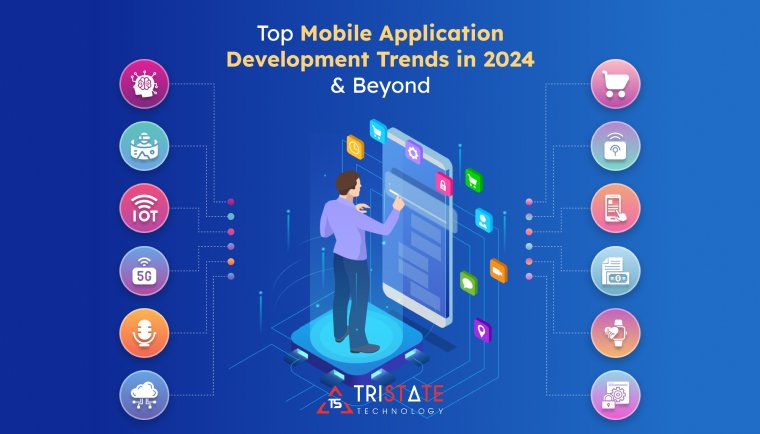
In 2024, mobile apps will become even more intelligent and connected. Key drivers include advanced AI/ML features, the maturing of 5G networks, and exploding IoT ecosystems. Industry analysts note that AI and machine learning are revolutionizing mobile experience. For example, apps now offer smarter voice assistants, predictive text, and image/video analysis in real time. Augmented reality (AR) and […]
Sistēmu un API integrācijas tendences 2024: notikumu virzīts dizains un DevSecOps
In 2024, enterprise integration continues evolving toward real-time, secure architectures. Event-driven designs (using streaming data and pub/sub patterns) become mainstream. For example, organizations use platforms like Kafka or cloud event grids so that changes in one system instantly propagate to others without tight coupling. GraphQL is also gaining attention for flexible API queries, letting front-ends fetch […]
Puroceans stratēģiskā sadarbība ar HITEXIS.
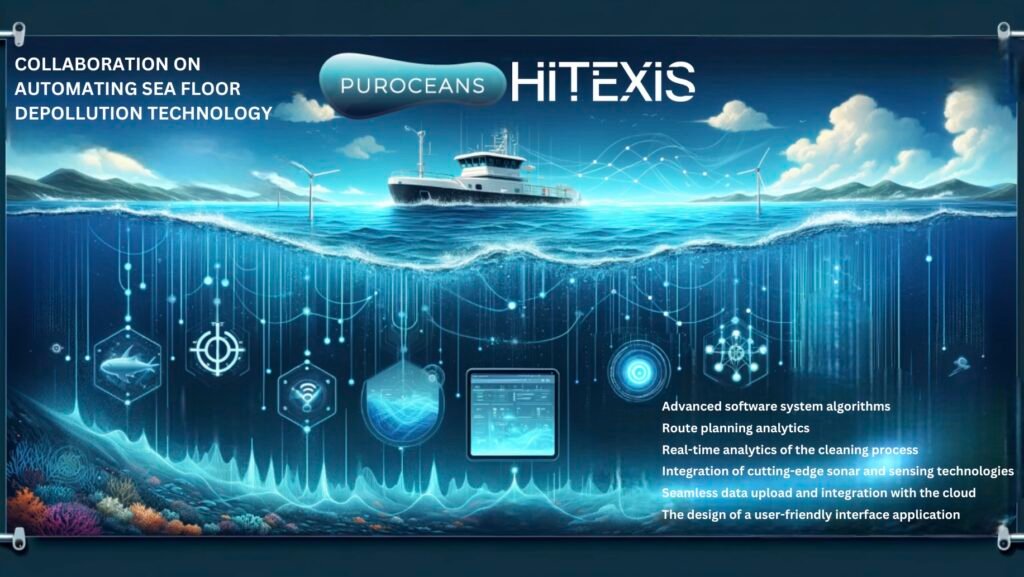
Puroceans Technology ar prieku paziņo par oficiālu stratēģisko sadarbību ar HITEXIS, lai izveidotu datu integrācijas platformu, kas pielāgota Puroceans Technology jūras gultnes attīrīšanas sistēmai.
Novecojušo sistēmu modernizācija 2024: API, mākslīgais intelekts un pārplatformēšana
In 2024, enterprises continue transforming legacy systems into agile, cloud-native architectures. The focus is on API-first strategies and intelligent augmentation. Many companies now adopt an API-centric approach, exposing old system functionalities through secure APIs. This allows new cloud and mobile applications to seamlessly integrate with legacy back-ends. Internal developer portals and API management tools make this process […]
MVP izstrāde un prototipēšana 2024: ar mākslīgo intelektu atbalstīts dizains un ātra iterācija
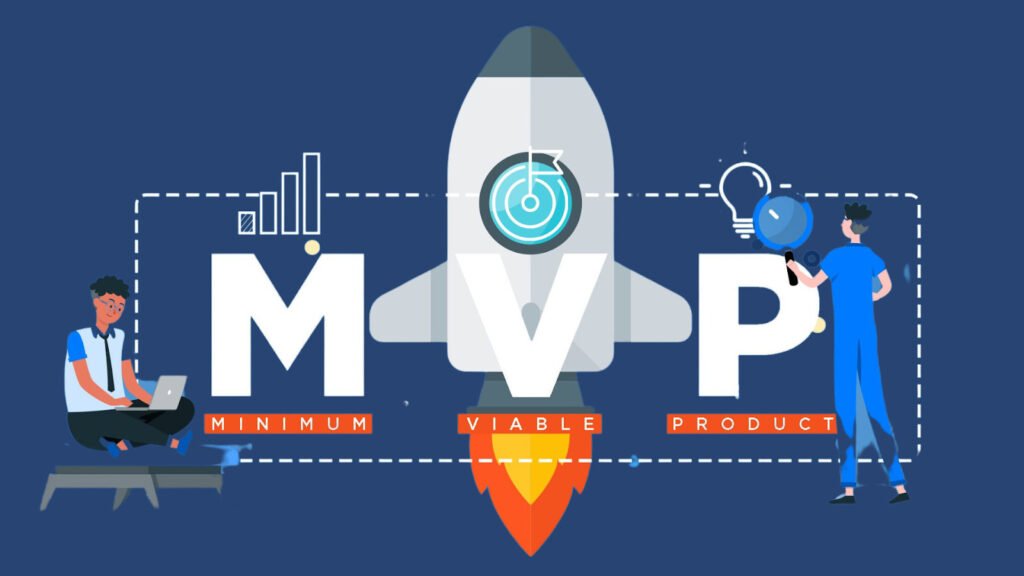
Looking ahead to 2024, MVP development is becoming even smarter and faster. A major trend is the use of AI-assisted design. Tools like GitHub Copilot or AI-driven features in Figma can generate code and interface suggestions from simple prompts. For instance, Google’s Gemini can create personalized UI layouts from a text description. This means prototypes can go from […]
Novecojušo sistēmu modernizācija 2023: migrācija uz mākoni un mikropakalpojumi

Modernizing existing enterprise systems is a high priority in 2023. Many organizations undertake cloud migration – moving on-premise apps to cloud infrastructure or replacing them with SaaS solutions. The goal is scalability and lower maintenance. For example, businesses often migrate legacy CRM or ERP systems to cloud-based SaaS offerings, simplifying updates and adding new features without heavy […]
UI/UX dizaina tendences 2023: kustība, iesaiste un piekļūstamība
UI/UX Design Trends 2024: AI-Driven, Sustainable and Inclusive In 2024, UI/UX design continues evolving towards intelligence and responsibility. Motion graphics remain central, but now combined with AI and ethical considerations. AI-generated design elements (using tools like Midjourney or Figma’s AI features) help designers prototype and test ideas rapidly. Google’s Gemini model, for instance, can automatically craft […]
Programmatūras izstrādes tendences 2023: mākonis, DevOps un lietotāju vajadzību centrēšana
Looking to 2024, artificial intelligence and team culture will be major influences on software development. The latest DORA report highlights that AI tools are now in common use across engineering teams, and early adopters see improvements in developer flow and productivity. However, they also caution that improper use can reduce stability (39% reported trust issues and slight performance […]